




Public Narrative 101

Running for office is all about getting other people motivated and activated - to donate, to vote, to door knock alongside you. One of the main ways that we motivate people is by sharing stories.

Below, you'll learn what a public narrative is and how to connect with your audience, motivating them to action. And you'll practice creating a first draft of your public narrative.

CONTENTS

Key Definitions

Paints a picture of who you are and what you care about by sharing specific moments from your life when your values were challenged and when you chose to act on them.

Connects you to your audience by highlighting shared experiences, values, and challenges. It shows that you and your community are part of the same story and capable of acting together.

Describes why action is urgent by showing what will happen if people do nothing—and what becomes possible if they act together now. It ends with a clear, specific call to action.

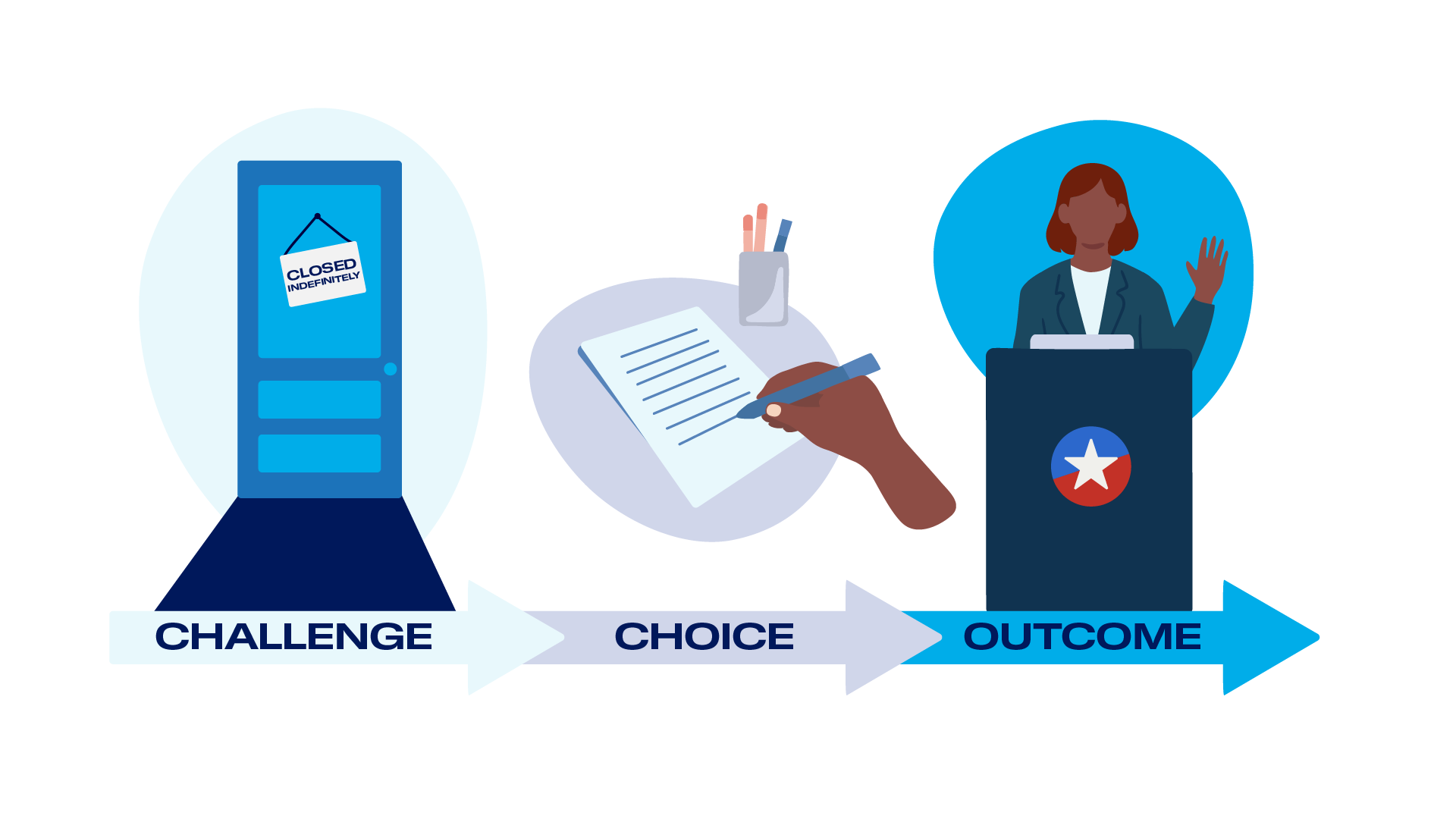
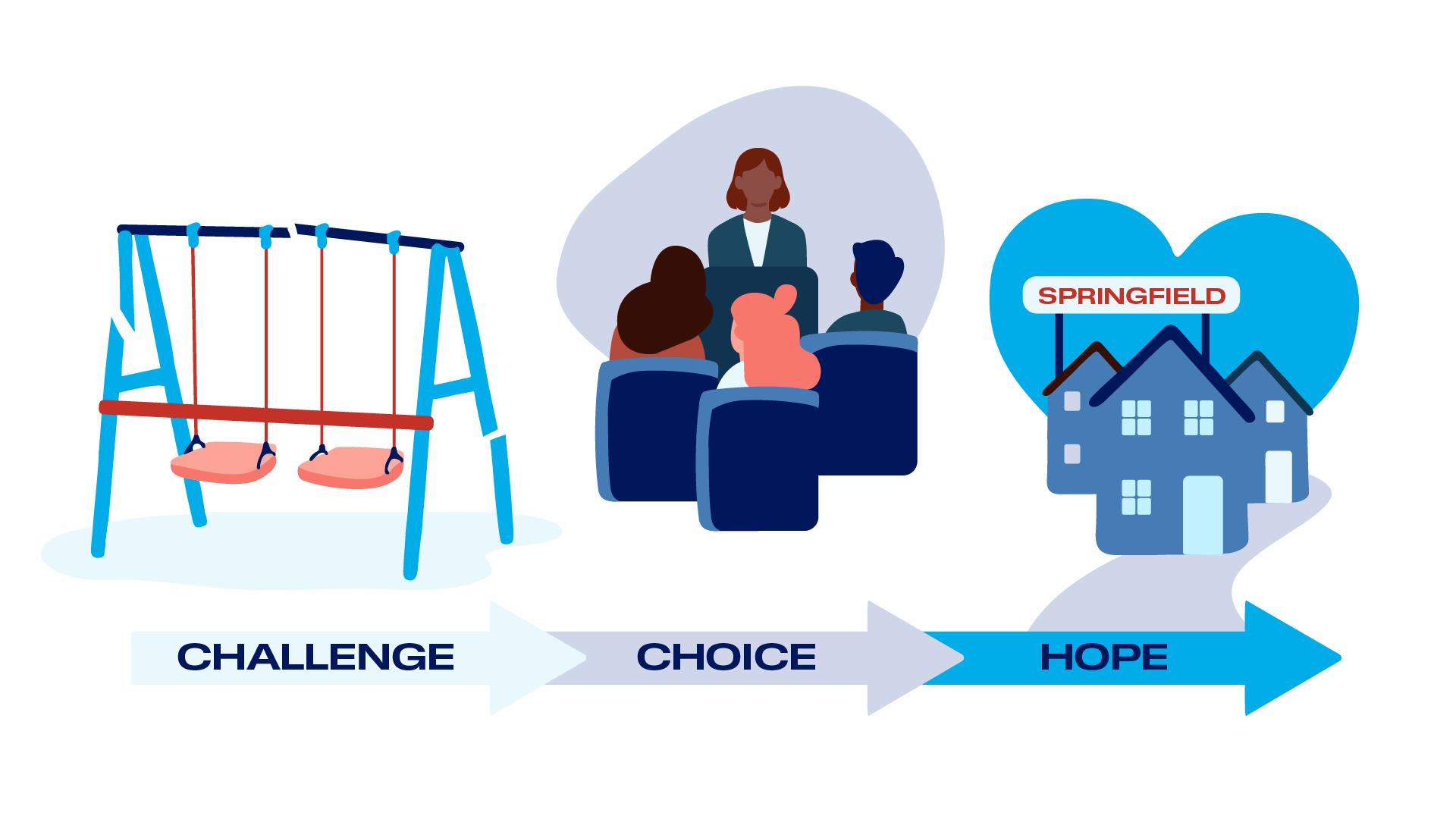
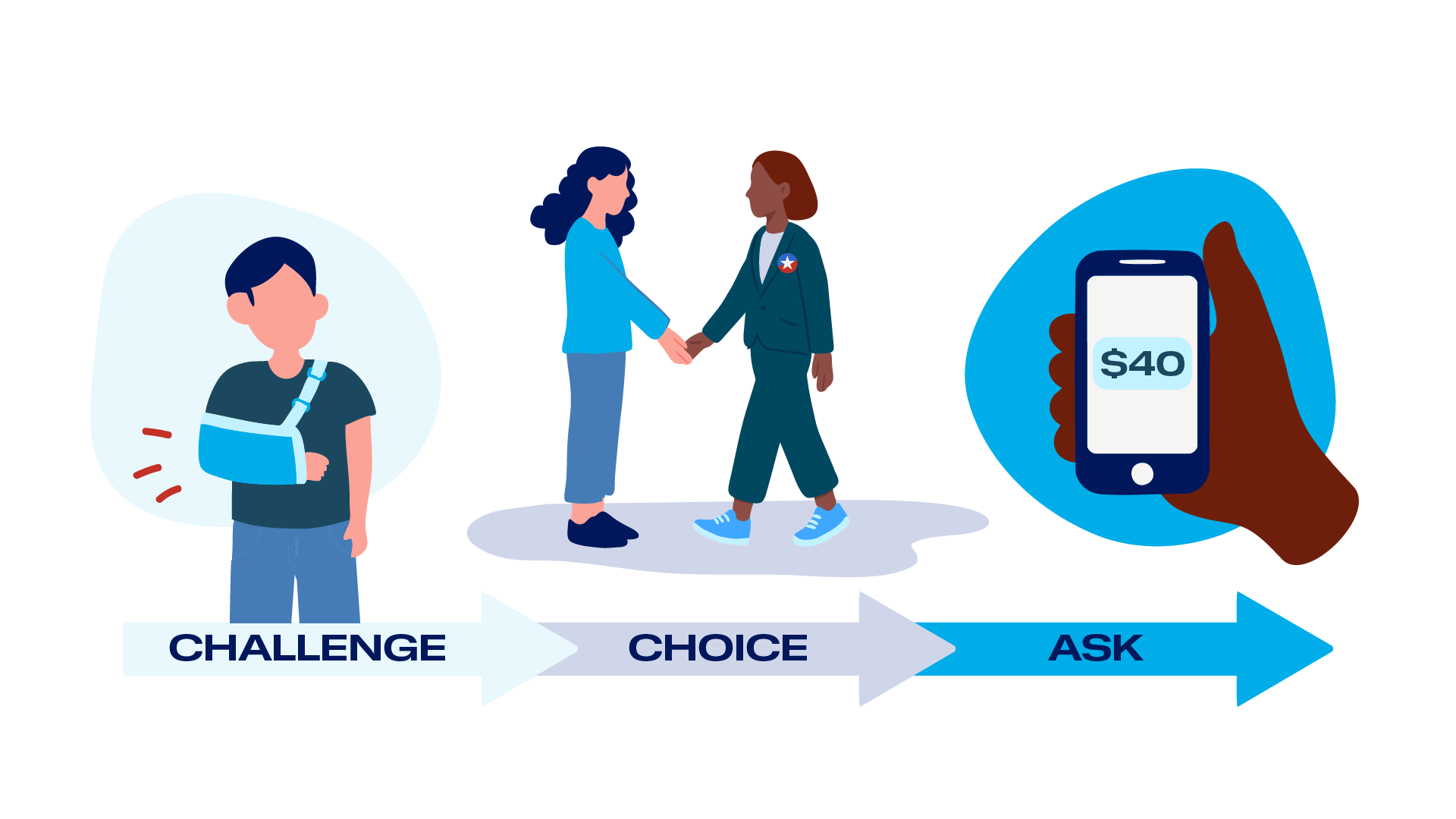
A storytelling structure that brings stories to life: a challenge reveals what you value, a choice shows how you acted on those values, and an outcome shows the impact and what it calls you to do next.

A clear, specific request for action that tells people exactly what you want them to do and why it matters. A strong ask is visible, time-bound, and connected to the story you just shared.

Story & Public Narrative

WHY STORIES

Stories create a connection between the audience and the story’s main character. A personal story shows who we are and what we care about.

Motivational stories tap into our emotions and activate our hope and belief that we have the power to create change.
THINK OF THE HERO'S ARCH
    • They experience a challenge
    • They make a choice given what they learned from that challenge
    • They feel called to lead and take on that leadership.

Understanding your own story and learning how to communicate it will help you connect with and motivate others around you.

WHAT IS PUBLIC NARRATIVE?

A public narrative – a story that you share that motivates others to action – has three parts:
     • A Story of Self that tells us who you are and what you care about
     • A Story of Us that connects you to your audience
     • A Story of Now that shares why the audience must act

It is based on moments from your personal life, often times from childhood, and picking out moments that make sense of who you are and your motivation today.
YOU MIGHT USE A PUBLIC NARRATIVE WHEN:
     • You’re at a local party committee meeting for the first time to introduce yourself and ask for their endorsement.
     • You’re at a fundraiser asking for donations.
     • You’re launching a canvass.

Really - anytime that you’re asking someone to join you in action!

Credit: Marshall Ganz for creating this framework

ALIYAH'S NARRATIVE  

In this example, you’ll hear a candidate for city council give their Public Narrative.
LISTEN FOR HOW SHE ILLUSTRATES VIVID MOMENTS THAT SHOW:
      • When and where she learned the values that motivate her to run
      • When she acted on those values
      • How her audience is connected to one another
      • Why action is urgently needed
      • What action the audience can take
CLICK EACH SECTION BELOW TO LISTEN ALIYAH'S NARRATIVE

STORY OF SELF

Paints a picture of who you are and what you care about by sharing specific moments from your life when your values were challenged and when you chose to act on them.

HEAR THE NARRATIVEREAD THE TRANSCRIPT

STORY OF US

Connects you to your audience by highlighting shared experiences, values, and challenges. It shows that you and your community are part of the same story and capable of acting together.

HEAR THE NARRATIVEREAD THE TRANSCRIPT

STORY OF NOW

Describes why action is urgent by showing what will happen if people do nothing—and what becomes possible if they act together now. It ends with a clear, specific call to action.

HEAR THE NARRATIVEREAD THE TRANSCRIPT

DEBRIEF

The purpose of a Public Narrative is to connect you to your audience through values, connect the audience to one another, and motivate the audience to action.
PAUSE AND THINK:
     • What was effective about the candidate’s personal story of self? What images or details stuck out to you?
     • How did the candidate connect the audience to one another? How was the connection based on experiences instead of categories?
     • What made the ask at the end more effective than simply asking “Will you support my campaign”? What created a sense of urgency in the ask?
     • How are detailed moments used throughout the public narrative?

Wrap Up

The candidate does the following in their public narrative:
IN THE STORY SELF
Share a moment when their values were threatened (challenge), when they acted on them (choice), and how it informs their candidacy now (outcome).
IN THE STORY US
Share a moment when their values were threatened (challenge), when they acted on them (choice), and how it informs their candidacy now (outcome).
IN THE STORY NOW
Paint a picture of what happens if the audience doesn’t act, what happens if the audience does act, why they urgently need to act now, and give a clear direction for an action they can take.

PUBLIC NARRATIVE IS:
    • Your unique story
    • Values-centered
    • Hopeful
PUBLIC NARRATIVE IS NOT:
    • Oversharing of personal trauma – feel ready to share your challenge before you do
    • A resume listing off all of your accomplishments. These are great, but they don’t bring you to life in the way that vivid snapshots do.
    • Story of Other – someone else’s challenges that you witnessed. The audience will feel connected to that person instead of you.

Now that you’ve watched this Public Narrative, draft your own Public Narrative by:
     • Writing out clear moments where you learned your values and when you acted on them.
     • Thinking of several audiences that you might tell your public narrative to, and what shared values those audiences might have.
     • Writing out moments of what happens if people do or don’t act.
     • Writing out a clear, tangible, and visible ask.

WE WANT TO HEAR FROM YOU

Tell us about your experience with Public Narrative

MORE FROM NEW POLITICS ACADEMY

Check out our Upcoming Events

March 20, 2026

12:00 to 12:30 PM ET

NPA 201: Ready to Run
Finished Leading with Purpose, Answering the Call, or Foundations? This alumni-only session is for NPA graduates who are thinking seriously about running for office. We’ll demystify the path to candidacy, outline the nonpartisan support available in the campaign ecosystem, and clarify how you can build your capacity.
March 24, 2026

1:30 to 2:00 PM

New Politics Academy 101: Who We Are, How It Works, and How to Apply
Hear directly from a New Politics Academy recruiter in this short, introductory session. You’ll learn about our mission and leave with a clearer sense of which program is right for you, along with practical tips to help you navigate the application process.
April 23, 2026

1:00 to 2:00 PM

Lunch & Learn: Raising Money for Servant Leaders
Tiffani Sykhammountry is the Managing Director of Development at New Politics Academy and host of this panel of fundraising experts. Join us as we discuss fundraising, supporting servant leaders who have stepped up to serve through politics, and money in the political arena.